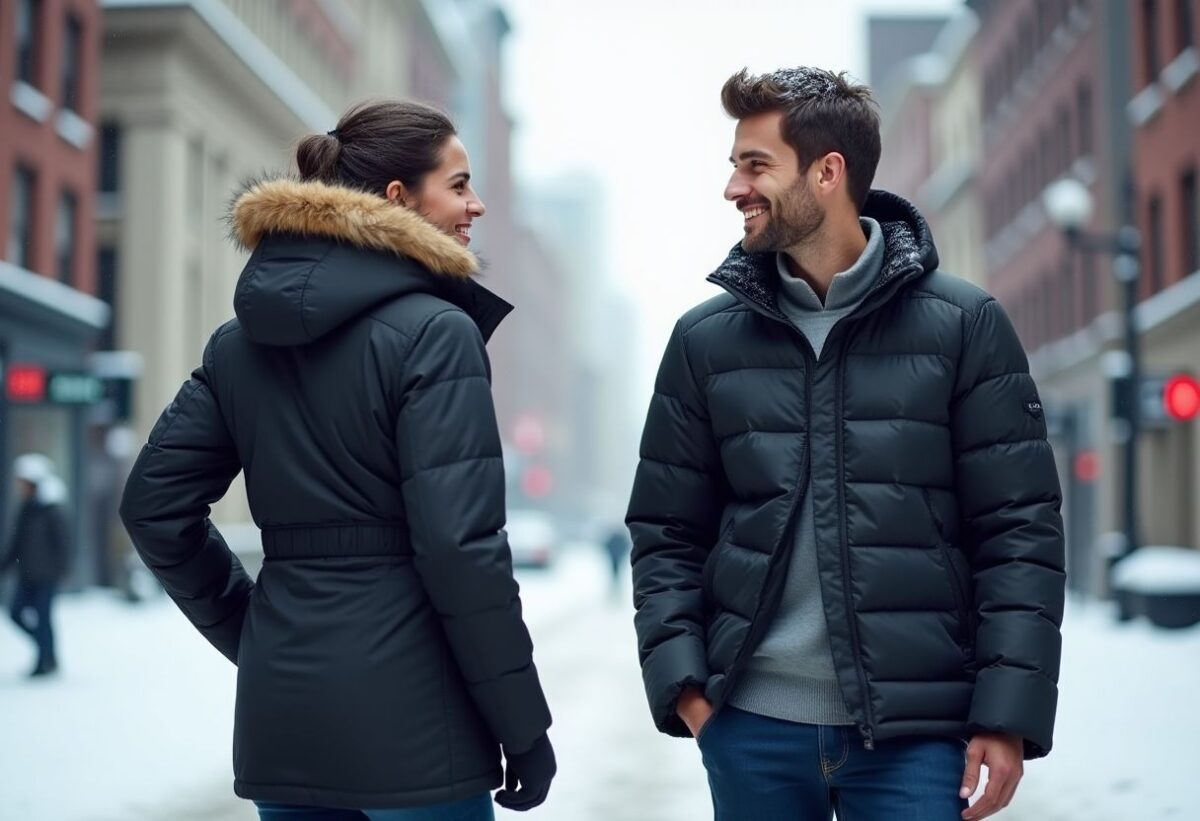
When it comes to choosing an outerwear garment to face the rigors of winter, the decision to turn to a lightweight down jacket or a traditional padded jacket can be complex. The evolution of materials and manufacturing techniques has allowed for the creation of lighter jackets that are just as effective. These pieces have become essentials in the winter wardrobe. Each type of down jacket has distinct advantages that cater to specific needs. The choice between lightness and thermal insulation can become a dilemma.
The Benefits of the Lightweight Down Jacket
The lightweight down jacket, often seen as the ideal compromise for those seeking warmth without bulk, charms with its many qualities. Let’s discover what makes it so appealing.
- Lightweight: one of the great charms of the lightweight down jacket lies in its lightness. Easy to wear, it offers great freedom of movement while providing an effective thermal barrier.
- Easy to store: the lightweight down jacket perfectly meets the needs of travelers and city dwellers. It folds easily and can be stored without taking up space, making it a great asset for those who travel frequently.
- Versatility: this model easily pairs with different outfits. Whether in an urban environment or for outdoor activities, it integrates harmoniously into many fashion styles.
- Advanced technology: thanks to technological innovations, lightweight down jackets now benefit from high-performance materials that ensure warmth and breathability.
The Advantages of a Traditional Padded Jacket
The traditional padded jacket remains a safe choice for those who prioritize maximum insulation. Let’s explore the benefits it can offer.
Emblematic of the cold season, this type of jacket is often associated with optimal protection against the cold. The padded design allows for an even distribution of heat. This garment is generally designed with thick padding, using materials such as goose down or compressed polyester, which ensures superior insulation. Thus, it is perfect for very harsh climates where warmth is of utmost importance. Furthermore, the padded jacket comes in many styles, allowing everyone to find a design that suits their tastes while ensuring a cozy feeling.
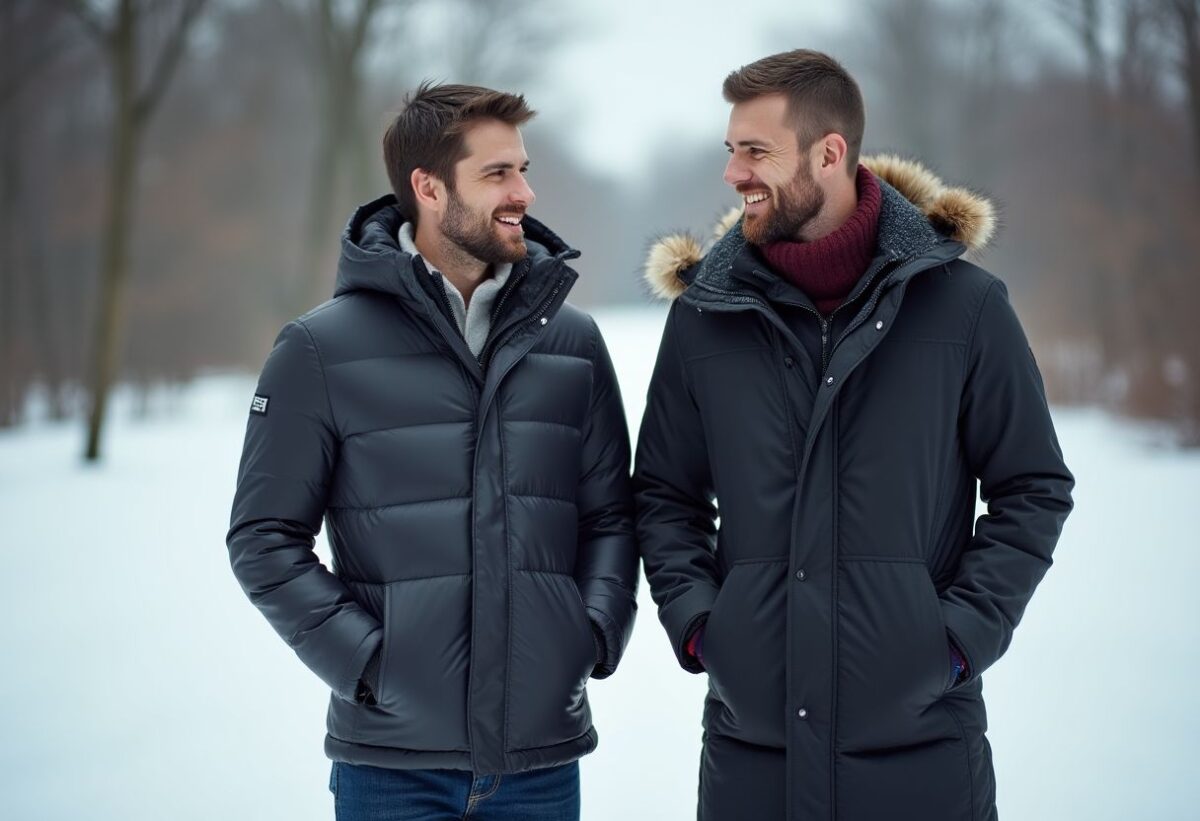
The Drawbacks of the Lightweight Down Jacket
Although the lightweight down jacket has many advantages, a few limitations deserve to be highlighted.
- Limited thermal insulation: compared to thicker models, the lightweight down jacket may lack effectiveness in extreme conditions. Its lighter padding does not always provide optimal protection against freezing temperatures.
- Durability: the materials used to ensure lightness and thinness can sometimes be less durable. This can lead to quicker wear if the garment is frequently used.
- Price: paradoxically, the technological innovations that make the lightweight down jacket effective can also increase its cost, sometimes making it less accessible than its more traditional counterparts.
The Limitations of a Traditional Padded Jacket
Despite its popularity, the traditional padded jacket is not without flaws. Let’s explore the aspects that may pose problems.
When it comes to volume, it is undeniable that the padded jacket takes up considerable space in the wardrobe. This volume can sometimes be cumbersome, especially for those who wish to maintain a streamlined appearance. Weight is also a factor to consider, as wearing a thick jacket can become tiring over the course of the day. In a confined environment, this type of garment sometimes requires special attention for maintenance, especially if the padding is made of natural down. Additionally, in certain situations, such as mountain hiking, a women’s down jacket might be preferred due to its lightness and ease of transport.
Choosing between a lightweight down jacket and a traditional padded jacket depends on many factors. While the former offers freedom of movement and a modern style, the latter guarantees unmatched warmth to face the harshest climates. The important thing is to clearly identify one’s needs, taking into account the climate, activity, and lifestyle.