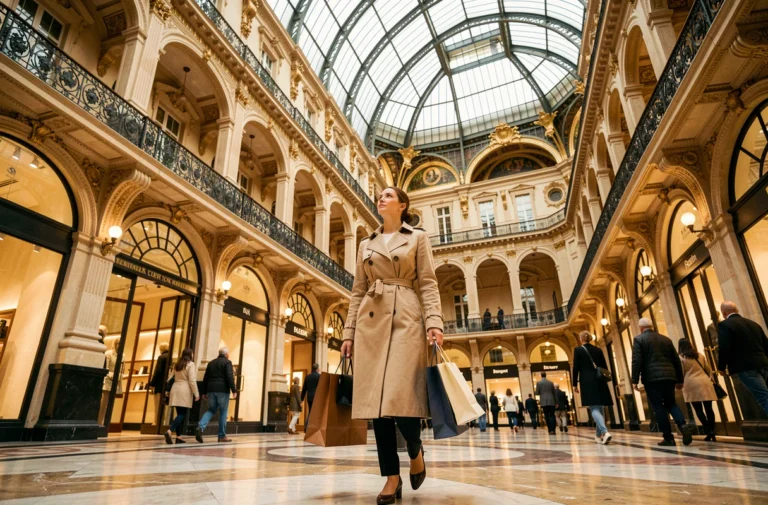
Personal style is not built by stacking trendy pieces season after season. It is structured around technical choices: fabrics, cuts, color palette, frequency of wear. Fashion, beauty, and lifestyle form a coherent system when each clothing or cosmetic decision is based on a precise framework rather than impulse.
Clothing Rotation and Wear Rate: The True Indicator of Style
A survey by Ademe and Obsoco, published in June 2025 and reported by Sud Ouest, reveals a striking discrepancy: consumers report having up to twice as few clothes as they actually own. A large portion of the stock remains little or never worn. This observation changes the way we approach the construction of personal style.
Before seeking inspiration from yet another lookbook, the most useful diagnosis is to measure the wear rate of each piece. Take out your entire wardrobe, count the pieces actually worn over the last three months, then divide by the total. A ratio below half indicates a problem with style coherence, not a lack of clothing.
This ratio then guides purchases. A piece that does not fit into any existing combination is likely to join the dormant pile. A Losty Girl illustrates this approach well, where each acquisition is part of a wardrobe thought of as a system, not as a collection.
Second-hand clothing, often presented as virtuous by default, solves nothing if it fuels the same rapid rotation. The Ademe/Obsoco survey highlights that clothes resold online have often been little worn, and their resale can accelerate the buying pace rather than prolong usage. Clothing sobriety is measured by frequency of wear, not by the purchase channel.

Personal Color Palette: Method for Establishing Your Reference Colors
The choice of colors represents the most structuring yet often neglected stylistic decision in mainstream guides. A poorly calibrated palette forces compensation through accessories or makeup for what the clothing should do alone.
Skin Undertone and Color Temperature
The warm/cool distinction remains the foundation. Observe the veins on your wrist in natural light: green-tinged veins indicate warm undertones, bluish veins indicate cool undertones. This reading conditions the choice of neutrals (golden beige or slate gray) as well as bright colors.
Then build a restricted palette of five to seven shades that work together. Three basic neutrals, two accent colors, one or two seasonal shades. A restricted palette simplifies every combination and eliminates impulsive purchases.
Testing Colors Without Buying
- Place a fabric of the candidate color under your chin, in front of a mirror, in direct natural light. If your complexion looks dull or yellowish, the color does not suit your undertone.
- Take photos of yourself with and without the tested color, keeping the same lighting. The comparison on screen neutralizes habitual bias.
- Identify in your wardrobe the three pieces you wear most often: their colors likely already form the core of your natural palette.
Beauty Routine and Cosmetic Regulation: Reading Labels Differently
Lifestyle includes beauty, and beauty starts with the composition of products applied to the skin. The European regulation 2023/1545 extends the declaration obligations for certain fragrance allergens on cosmetic labels. According to BeautyMatter, products launched before July 2026 benefit from a transitional phase until July 31, 2028.
In practice, this means that two seemingly identical products may have different INCI lists depending on their manufacturing date. A beauty routine consistent with your lifestyle now requires checking the market launch date, not just the expiration date.
Simplifying Your Routine Without Sacrificing Effectiveness
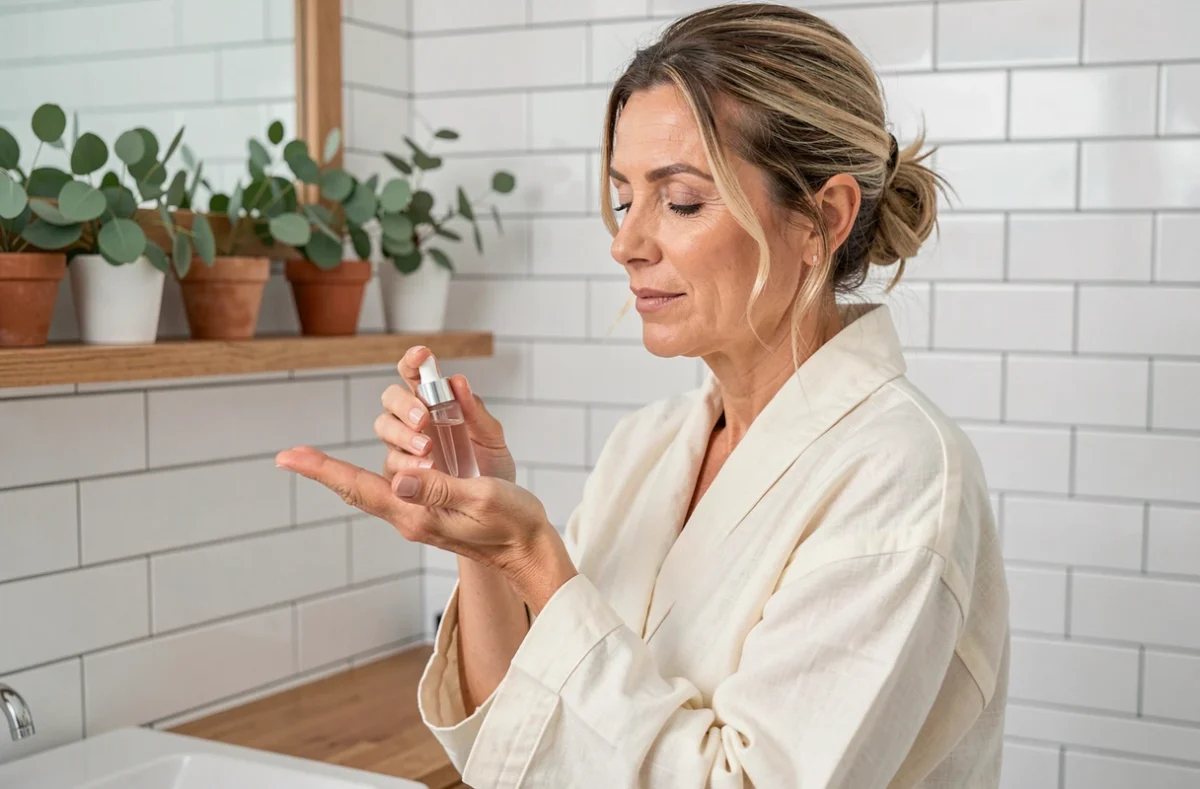
The multiplication of steps (double cleansing, serum, essence, ampoule, cream, SPF) only makes sense if each product addresses an identified skin need. A well-formulated moisturizer with an integrated sun filter often replaces three distinct products.
Reducing the number of products decreases exposure to allergens and simplifies the reading of compositions. Apply the same logic as for your wardrobe: fewer references, better chosen, used to the end.
Anti-Waste Law and Textile Repair Bonus: Impact on Style Choices
The French anti-waste law and the textile repair bonus change the economic equation of sustainable style. Repairing a garment (hem, zipper, loose stitching) is now cheaper thanks to partial coverage by eco-organisms.
This mechanism promotes a wardrobe built around repairable and durable pieces rather than short-use clothing. Natural woven materials (thick cotton, linen, wool) lend themselves better to repair than thermally bonded synthetics.
- Check the seams before purchase: open seams (not overlocked) are easy to repair, unlike glued assemblies.
- Prefer buttons sewn with a foot (easy to replace) over riveted snaps.
- Metal zippers last significantly longer than plastic versions and can be changed by any tailor.
We observe that the proposed law on fast fashion, which plans an environmental penalty system on very low-cost products, reinforces this direction. Investing in repairable pieces becomes a style choice as much as an economic calculation.
Building a Coherent Lifestyle Between Fashion, Beauty, and Daily Life
Lifestyle is not reduced to an Instagram aesthetic. It reflects how your clothing, cosmetic, and domestic choices come together in daily life. A streamlined wardrobe with a high wear rate, a beauty routine with controlled composition, clothing designed to last and be repaired: these three axes form a system.
Unique style arises from voluntary constraint, not accumulation. Reducing the number of options forces combinatorial creativity and gives a recognizable visual signature. People whose style is remembered often wear few pieces, always the same colors, with an assumed regularity.
The next logical step is not to buy a new piece, but to remove from your wardrobe the one you haven’t worn in six months.