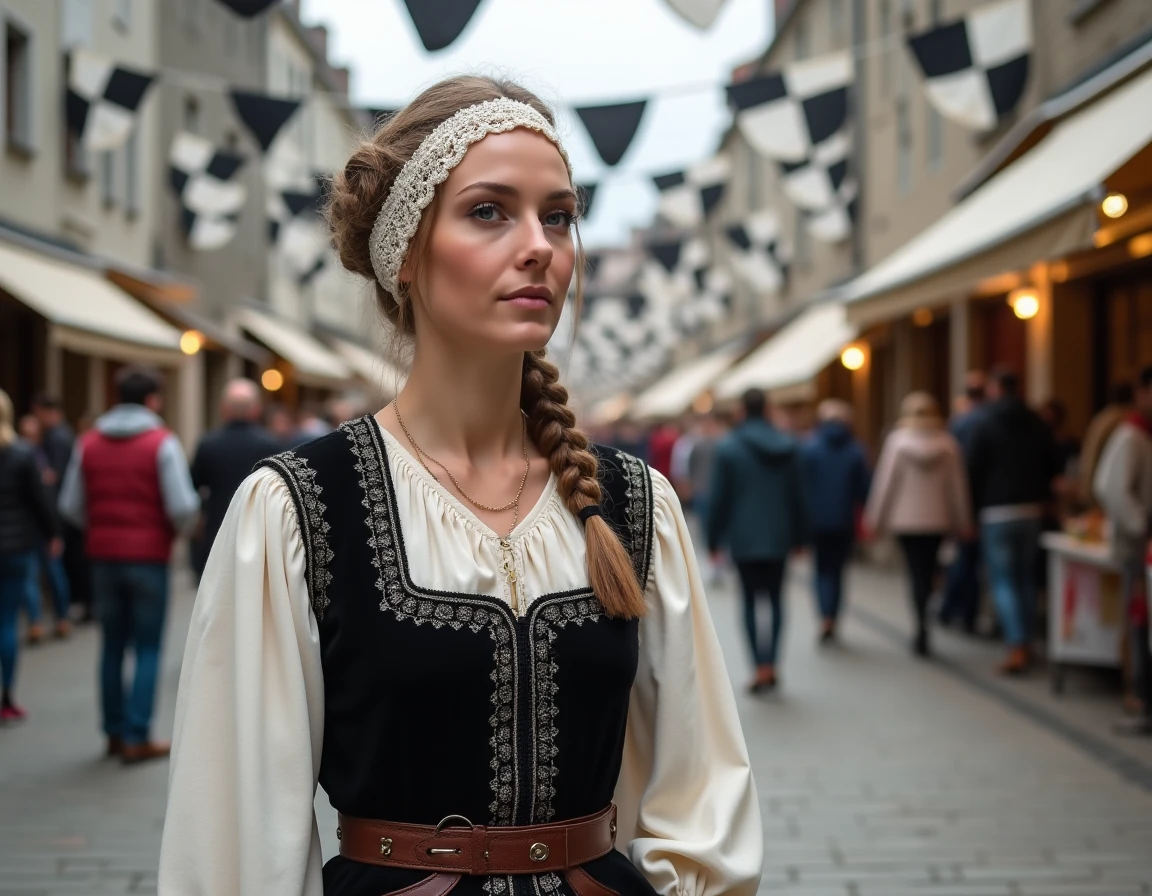
Breton culture in 2024 is no longer limited to Saturday night fest-noz or the bigoudène headdresses displayed in museums. It is being exported, structured internationally, and attracting a new generation of project leaders. Understanding its recent evolutions means grasping how a strong regional identity manages to renew itself without renouncing its roots.
Breton Culture Internationally: A Structured Dissemination Outside Europe
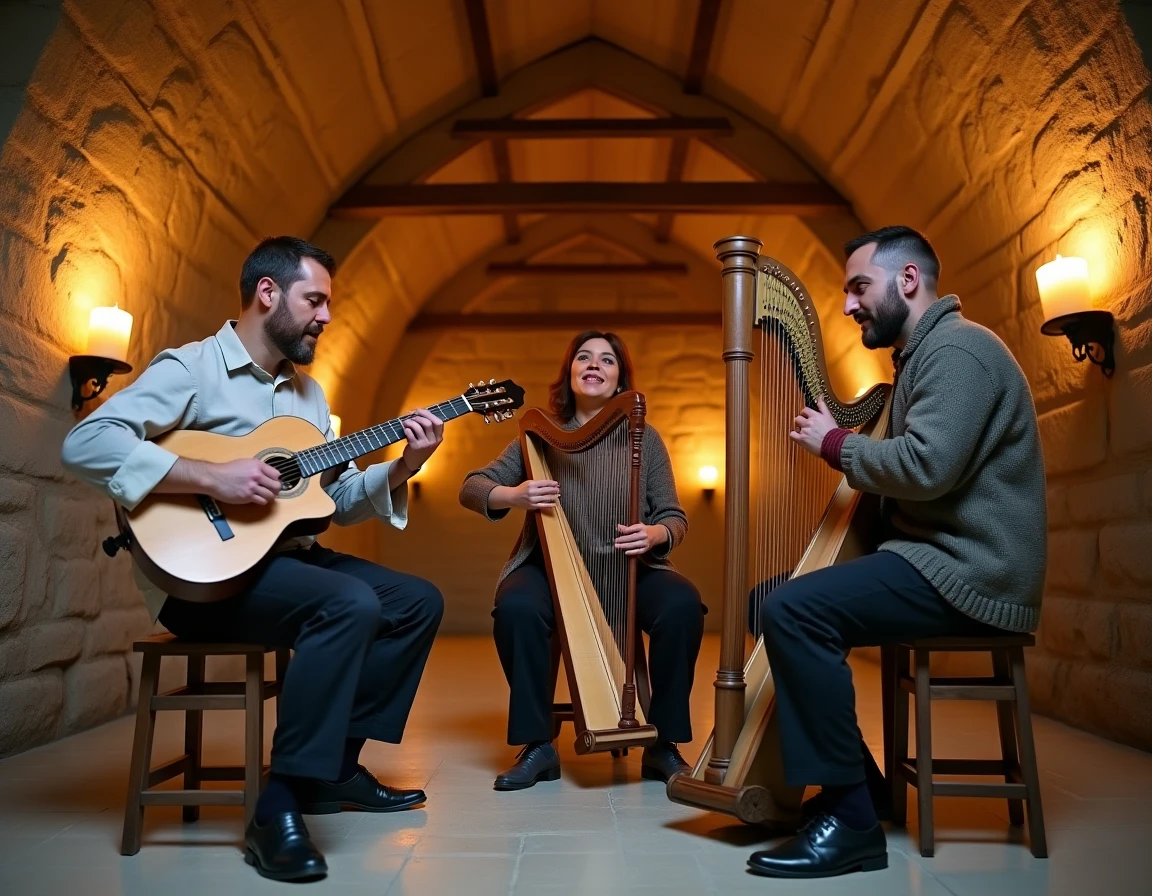
Have you noticed that Celtic festivals are multiplying well beyond Brittany? In 2024, this movement is taking on an organized dimension. From Séné in Morbihan, a Breton organizer is bringing the Breizh Fest to the American Midwest, an event entirely dedicated to Breton music, dance, and gastronomy.
This festival is not just a one-off concert. It structures regular exchanges between Breton artists and American audiences, with residencies and collaborations lasting several months. It’s a new model: Breton culture no longer travels by accident; it now has permanent relays abroad.
Meanwhile, the professional platform Spectacle vivant en Bretagne is launching calls for applications to represent the region at showcases like Showcase Scotland and the Celtic Connections festival. These two Scottish events are among the main global stages for traditional music. Sending Breton artists (traditional music, fusion, contemporary creations) there opens access to programmers from around the world. Recent articles from Culture Bretagne document several of these initiatives that reflect an unprecedented export dynamic.
Fest-noz in Brittany: Why the Format Still Works

The fest-noz remains the cornerstone of Breton cultural life. Inscribed in UNESCO’s intangible cultural heritage, it continues to attract a wide audience, from teenagers to retirees, in towns across Finistère and Ille-et-Vilaine.
What accounts for this longevity? Three factors combine:
- A participatory format: unlike a classical concert, the fest-noz is based on collective dancing. Everyone joins in the circle, with no skill level required.
- A strong local anchoring: each fest-noz is organized by community associations, often volunteers, who tailor the programming to local musicians (Lorient, Vannes, Saint-Brieuc, or rural communes in Central Brittany).
- A constant musical renewal: today, groups mix electronic sounds, jazz, and traditional Breton music, attracting an audience that does not identify with pure folklore.
The fest-noz works because it is not fixed. It absorbs influences without losing its basic structure: musicians, dancers, a dance floor.
Breton Language: New Forms of Transmission
The question of the Breton language remains central in the region’s cultural debates. Several recent initiatives show that the transmission of Breton now occurs through diversified channels, far beyond just Diwan schools.
Social media plays an increasing role. Content creators are publishing in Breton on Instagram and TikTok, with short formats (recipes, micro-interviews, sketches) that reach a young audience, including those outside Brittany. It is no longer a language reserved for evening classes.
Breton in Academic Research
In 2024, the research notebook “Brittany and the General Public” (BretagneGP) dedicates publications to the presence of Breton culture in scientific mediation. This type of academic work helps to legitimize Breton as a contemporary object of study, not just as a heritage in danger of disappearing.
INSPE Bretagne is also organizing forums around artificial intelligence applied to teaching, which raises the question of using digital tools for learning regional languages. Breton could benefit from these advancements if sufficient corpora are established.
Breton Heritage and Contemporary Creation: The Boundary Blurs
The distinction between “traditional culture” and “contemporary creation” is losing its relevance in Brittany. Breton artists in 2024 draw from the ancient repertoire to produce works that engage with the present.
The region’s festivals illustrate this hybridization. In Lorient, the Interceltic Festival has long programmed artists who blend Celtic harp and electronic music. This approach is becoming more common in smaller events in North Finistère or Côtes-d’Armor, where young collectives are creating shows that mix gavotte, video, and sound poetry.
Breton heritage is no longer a subject of passive conservation. It becomes a raw material for creations that then circulate in national and international networks. This shift is what makes Breton culture particularly vibrant in 2024: it does not just remember; it produces.
Gastronomy and Cultural Identity
Gastronomy also participates in this movement. Breton products (salted butter, cider, buckwheat pancakes) are no longer just identity markers. They are integrated into contemporary dining circuits where chefs from Rennes, Vannes, or Brest reinterpret traditional recipes with modern techniques.
This evolution contributes to repositioning Brittany as a region of culinary creation, not just tradition. Breton gastronomic heritage is gaining visibility in national media, which enhances the overall cultural attractiveness of the region.
Breton culture in 2024 is characterized by its ability to occupy multiple terrains simultaneously: village fest-noz, international stages in Scotland or the United States, social media in the Breton language, academic research. It is a culture that exports as much as it preserves, and this dual dynamic distinguishes it from many other regional identities in France.